Travel to Cuba has always been about connection with its culture, landscapes and, above all, its people. For many travellers, the opportunity to participate in volunteer activities in Cuba adds a deeper dimension to their journey.
In the times the country is currently experiencing, initiatives that support local communities have become even more meaningful. Small acts of collaboration and solidarity can have a real impact, and any support that can be offered to community projects is deeply valued.
At Cuba Private Travel, we collaborate with a number of community projects and local initiatives across the island, offering travellers the possibility to participate in meaningful experiences that support local communities, cultural initiatives and environmental projects.
These activities are always optional and designed to complement a journey through Cuba while supporting projects that are already creating positive impact within their communities.
Below are some of the community and volunteer projects in Cuba that we proudly highlight to our travellers.
Finca Tungasuk. Sustainable Agriculture.
Finca Tungasuk is an agroecological farm founded by Alfredo and chef Annabelle Cantarero, who created the project with the idea of reconnecting food, land and community. Located just outside Havana, the farm focuses on organic agriculture and sustainable farming practices inspired by the principles of the Slow Food movement.
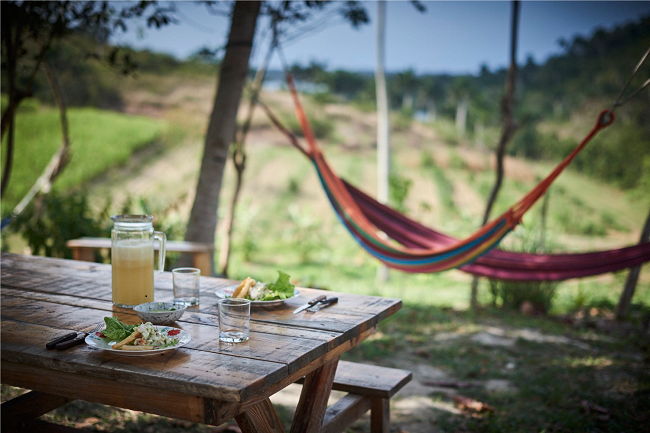
The project combines agriculture with gastronomy, producing seasonal crops that are used directly in meals prepared on the farm. This “farm-to-table” philosophy allows visitors to experience how food can be grown, harvested and enjoyed in harmony with nature.
The bee experience at Finca Tungasuk offers a closer look at the delicate balance of life on the farm. Through this hands-on encounter, guests discover the importance of bees to pollination, biodiversity, and sustainable farming, while connecting with one of rural Cuba’s most authentic landscapes.
Through Cuba Private Travel, visitors can arrange a visit to the farm and participate in hands-on activities that may include seasonal planting, harvesting or learning about sustainable agriculture alongside the farmers. For travellers interested in volunteer-style experiences, this offers a unique opportunity to contribute while gaining insight into rural Cuban life.
Guests may also take part in cooking workshops or enjoy shared meals prepared with ingredients grown directly on the land, creating a deeper connection between agriculture, food and community.
Getting your hands in the soil, connecting with nature and sharing time with the people behind the project offers travellers a meaningful perspective on the Cuban countryside.
Caritas Cuba. Community Support and Social Programs.
Caritas Cuba is one of the most established humanitarian organisations operating on the island. Founded in 1991 by the Cuban Catholic Church, it works through a network of dioceses and community centres across the country, supporting vulnerable communities through a variety of social programmes.
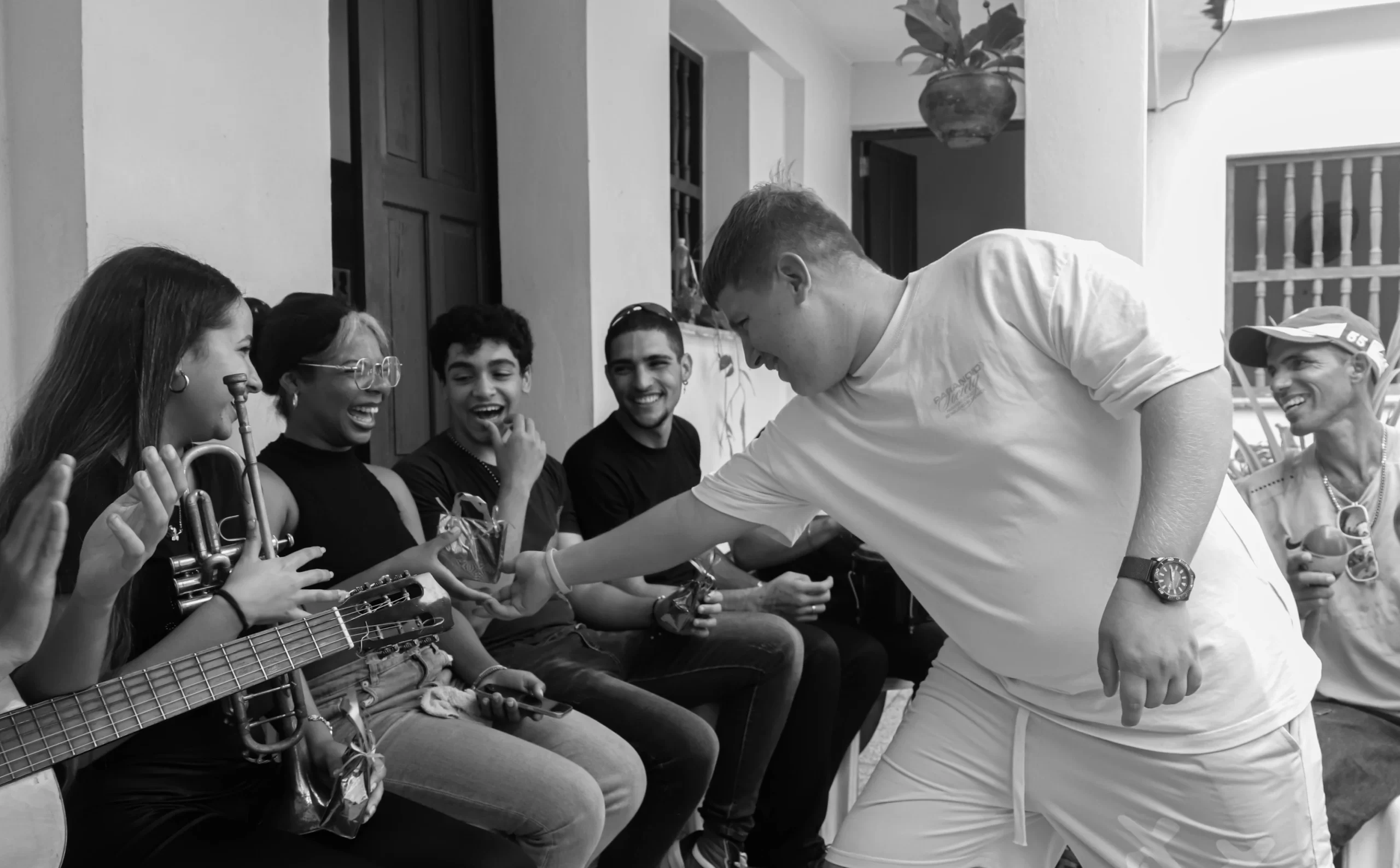
The organisation focuses on initiatives that assist elderly people living alone, families in vulnerable situations, people with disabilities, and communities affected by economic hardship or natural disasters.
Caritas also develops programmes related to community development, social inclusion, training workshops and humanitarian assistance, working with thousands of volunteers throughout Cuba.
Visitors may learn about the work carried out by Caritas and engage with some of its community initiatives, gaining a deeper understanding of the important role this organisation plays in Cuban society.
Travellers who wish to offer additional support may also contribute through donations of essential items or direct support to specific programmes, coordinated in advance with the organisation to ensure that assistance responds to real community needs.
Meeting the people involved in these initiatives provides travellers with a meaningful perspective on the spirit of solidarity that continues to shape many communities across the island.
Sisters of Charity. A legacy of Compassion.
The Sisters of Charity have been present in Cuba since the 19th century, dedicating their work to education, healthcare and social assistance for vulnerable communities. Their presence on the island dates back to 1869, when members of the congregation began supporting charitable and educational initiatives.
One of the projects they support in Havana is “La Edad de Oro”, a orphanage inspired by the famous children’s book written by José Martí, the Cuban national hero and poet. The name reflects the project’s mission: to create a nurturing environment focused on the wellbeing, education and development of children.
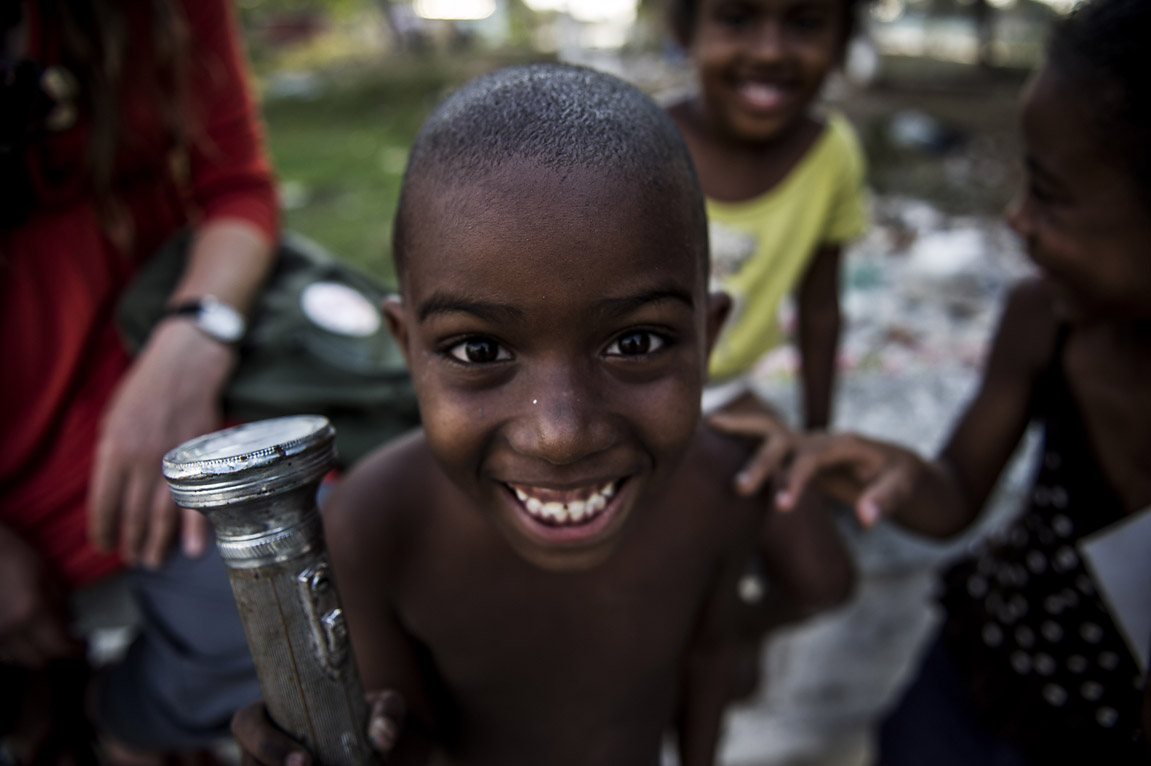
Over the years, the Sisters have developed programmes focused on supporting children, assisting elderly members of the community and providing help to families in vulnerable situations. Their work often includes educational activities, community outreach and social assistance projects carried out in collaboration with local parishes and community organisations.
Visitors may have the opportunity to learn about the work of the Sisters of Charity and visit some of the community initiatives they support, gaining a deeper understanding of the long tradition of humanitarian service that continues to shape many Cuban communities.
Meeting the people involved in these initiatives offers travellers a unique perspective on the dedication and compassion that have defined the work of the Sisters of Charity in Cuba for generations
Muraleando. Art Transforming a Community.
Muraleando is one of Havana’s most inspiring community cultural projects. Located in the Lawton neighbourhood of the Diez de Octubre district, the initiative was founded in 2001 by Cuban artists Manuel Díaz Baldrich and Ernesto Quirch Paz.
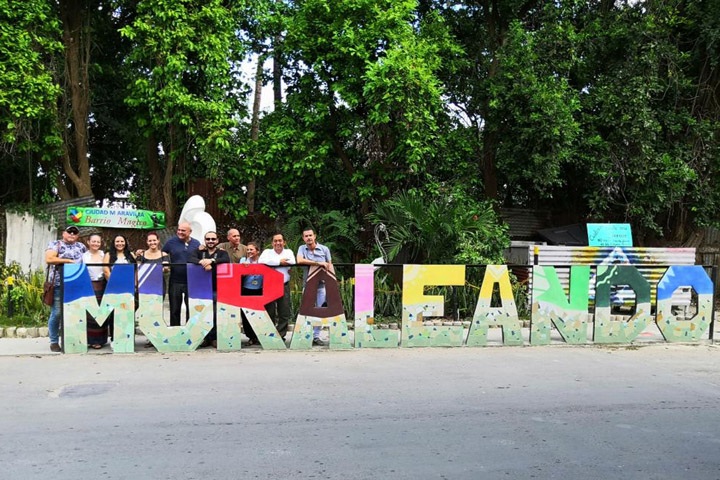
The project began with a simple idea: to transform an abandoned dumping ground into a creative space for the neighbourhood. What started as small free art workshops for local children gradually evolved into a vibrant cultural centre where murals, sculptures and artistic installations now cover the surrounding walls.
Today Muraleando hosts workshops in painting, ceramics, music, dance and engraving, many of them aimed at children and young people from the community. The project regularly organises exhibitions, performances and cultural activities that bring together residents, artists and visitors.
Muraleando has become a powerful example of how art can strengthen community identity and help transform urban spaces.
Our travellers may visit the project, meet some of the artists involved and learn about the story behind this remarkable initiative.
Quisicuaba Project: 35 years sharing love
The Quisicuaba Project offers one of the most moving and meaningful community experiences in Havana. Founded 35 years ago, it has grown into a remarkable initiative that now supports around 10,000 people, providing care, guidance, and opportunity to some of the most vulnerable members of Cuban society.
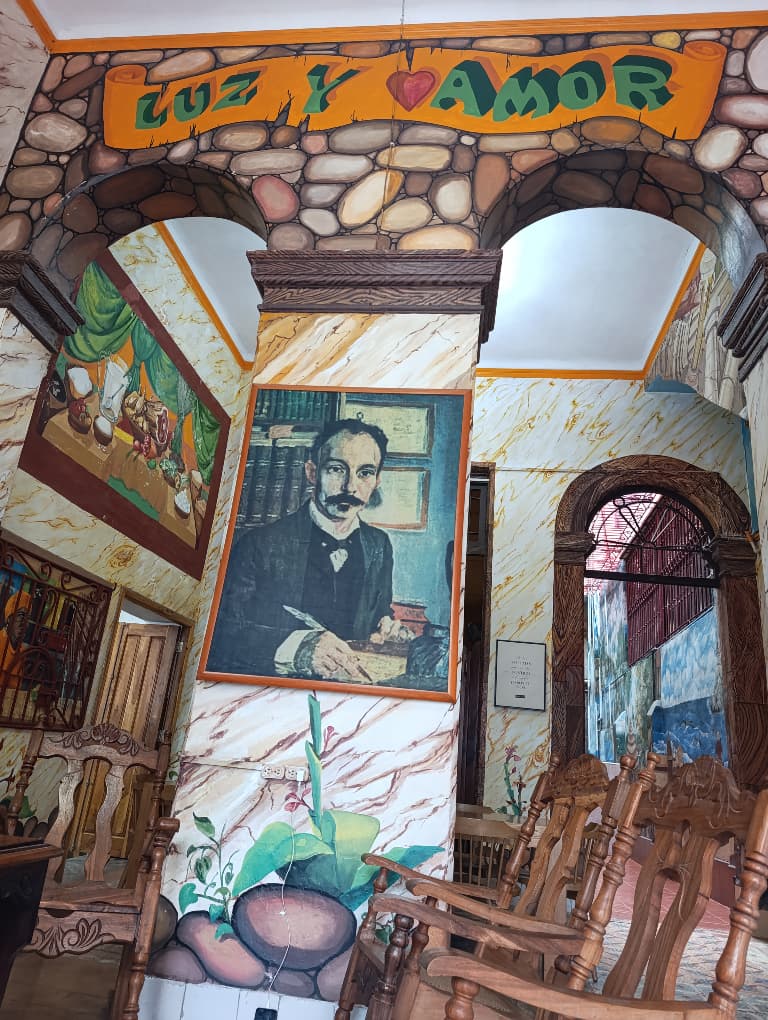
Its work reaches far beyond one single program. Quisicuaba offers a wide range of support services, including medical consultations and treatment, with care in areas such as HIV and psychiatry, alongside broader social assistance for those in need. It is a place rooted in dignity, compassion, and a deep long-term commitment to the community.
Beyond Havana, Quisicuaba also runs an agricultural camp in San Antonio de los Baños, where around 300 people who were previously living on the streets are currently welcomed and supported. There, they take part in daily activities including gardening, cleaning, work in the vegetable garden, and helping in the dining area, as well as a range of practical and educational programs designed to help them rebuild stability and re-enter society.
The project currently carries out 34 social initiatives, including workshops and support spaces for orphaned children, children affected by domestic violence, older adults, and women who have experienced abuse. Each program reflects Quisicuaba’s deeply human approach: creating not only assistance, but also belonging, purpose, and hope.
Looking ahead, the project is also developing a new space for people affected by natural disasters, where they will be able to stay for up to 60 days while receiving support and shelter.
With the support of Cuba Private Travel, visitors can engage with Quisicuaba in a meaningful and respectful way, whether through donation activities or by experiencing part of the project’s daily routine. Depending on the day and the needs of the community, guests may have the opportunity to assist in the dining area, help serve meals, or take part in simple acts of care such as feeding elderly residents. These moments offer a genuine way to connect with the project’s work while contributing to something deeply valuable.
A visit to Quisicuaba offers a deeper understanding of Havana beyond its architecture and landmarks. It is an opportunity to encounter a side of Cuba shaped by solidarity, resilience, and an extraordinary commitment to caring for others.
Artecorte – Community, Culture and Craft
Artecorte is a well-known community project founded in 1999 by master barber Gilberto Valladares, known as “Papito.” Located in the historic Callejón de los Peluqueros in Old Havana, the project began as a small initiative to revive the traditional barber trade while creating opportunities for young people in the neighbourhood.
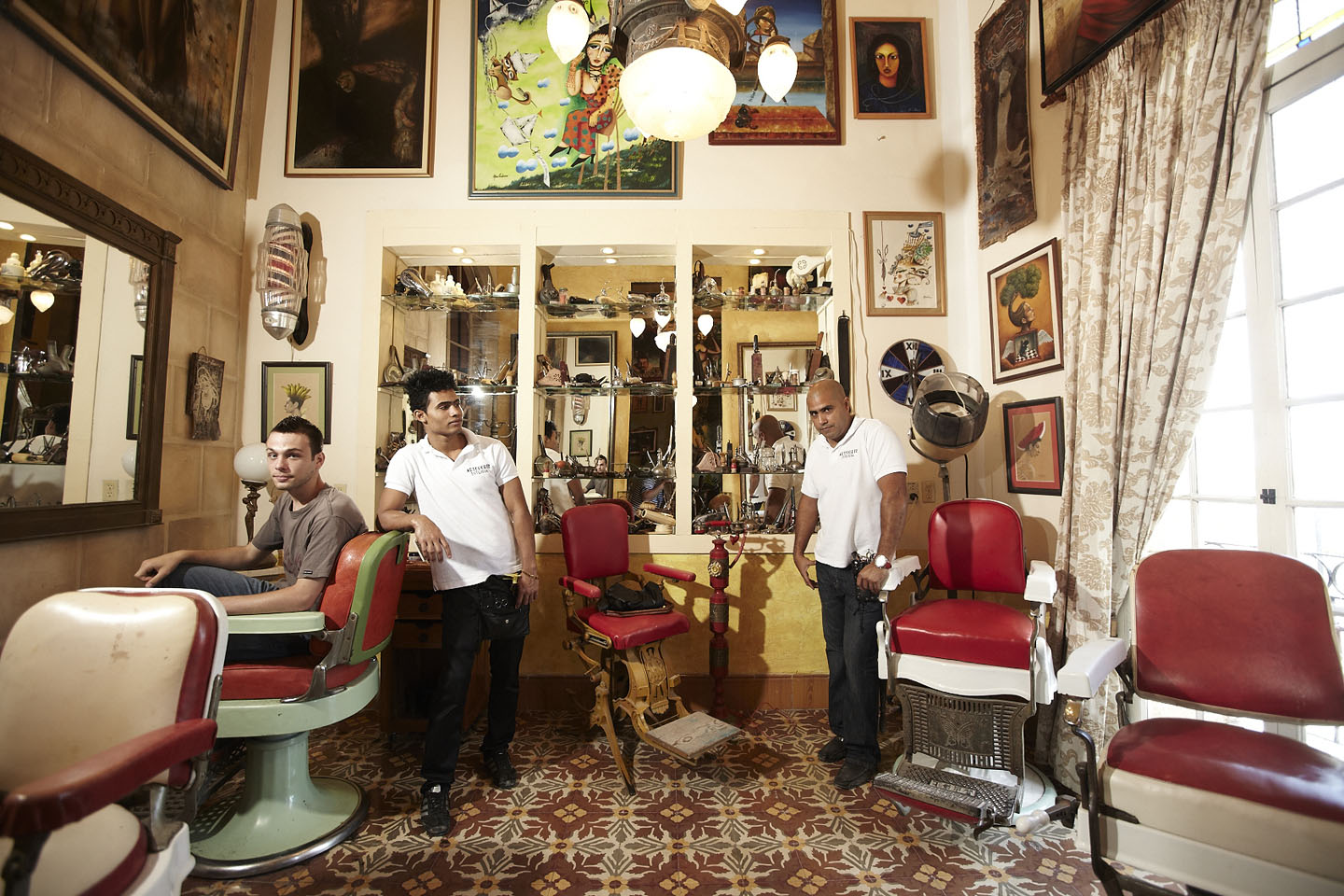
Over the years, Artecorte has grown into a vibrant cultural space that combines professional training, community development and local entrepreneurship. The project offers workshops and educational programmes that teach barbering and other skills to young people while helping preserve an important element of Cuban urban culture.
The initiative has also transformed the surrounding area into a lively street filled with small businesses, galleries and cultural activities that celebrate Havana’s creativity and craftsmanship.
For travellers interested in discovering Havana beyond its historic landmarks, projects like Artecorte offer a fascinating insight into how culture and community initiatives can help shape the future of the city.
Fundación Antonio Núñez Jiménez. Environmental Conservation and Coastal Protection.
The Antonio Núñez Jiménez Foundation for Nature and Humanity (FANJ) is one of Cuba’s most respected environmental organisations. Founded in 1994, the foundation continues the legacy of Cuban geographer and scientist Antonio Núñez Jiménez, who dedicated his life to the study and protection of Cuba’s natural landscapes.
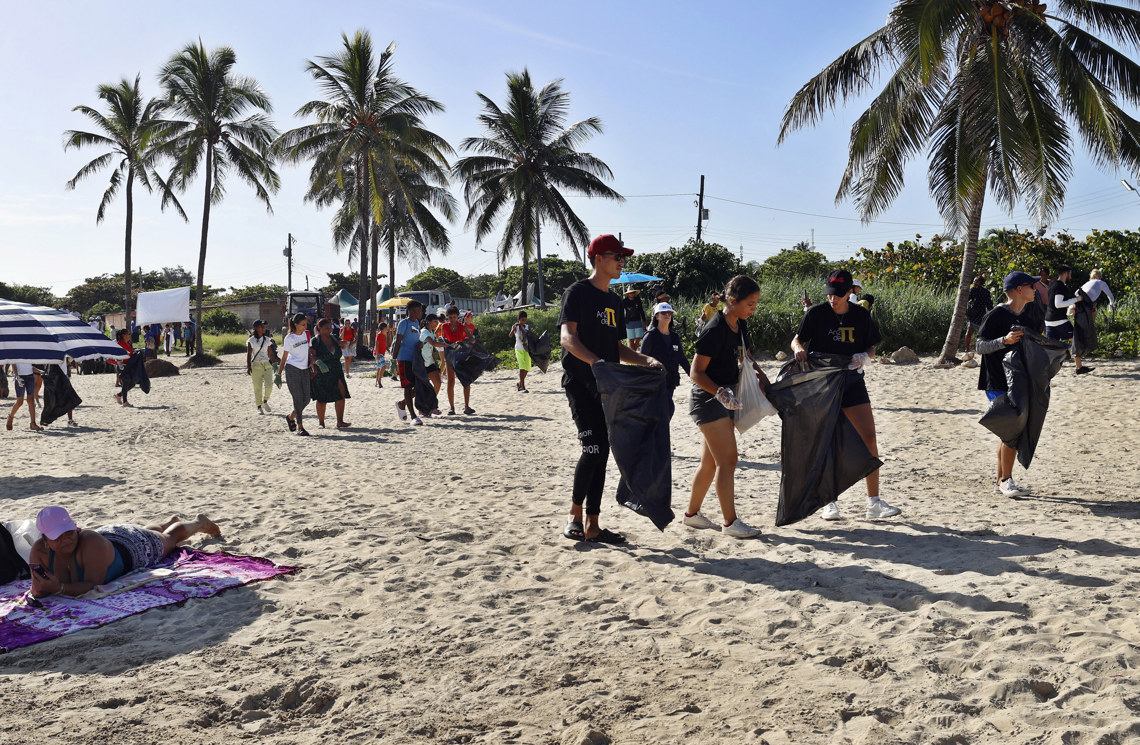
The organisation develops projects focused on environmental education, conservation of coastal ecosystems, protection of mangroves and sustainable development in local communities.
Through its environmental initiatives, the foundation promotes awareness about the importance of protecting Cuba’s fragile ecosystems, including beaches, wetlands and marine environments.
Activities such as coastal clean-ups, environmental workshops and conservation programmes help encourage community participation in preserving Cuba’s natural heritage.
For travellers interested in environmental initiatives, learning about projects like those supported by the Núñez Jiménez Foundation provides insight into the ongoing efforts to protect the island’s extraordinary landscapes and biodiversity.