Cuba travel is still possible with the right local planning. Discover private restaurants, music venues, classic cars, boxing lessons, cultural tours, and legal U.S. travel guidance.
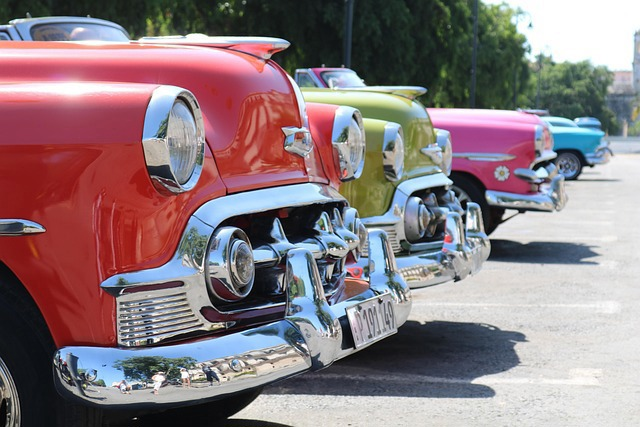
Cuba Travel is still posible, but it is not a destination for gueesswork
Cuba is still open to travelers. Restaurants are welcoming guests, music venues are programming live performances, boutique accommodations are receiving visitors, classic cars are still moving through Havana, and private guides, artists, chefs, drivers, musicians, boxers, and local hosts are continuing to work.

But the way to travel in Cuba today has changed.
This is not the moment for a loosely planned trip, a last-minute hotel booking, or a schedule built only around standard tourist stops. Cuba now requires strong local planning, backup logistics, reliable private-sector contacts, and clear guidance for U.S. travelers who need to travel legally under approved categories.
For visitors who plan properly, Havana remains one of the most culturally alive cities in the Caribbean.
What is open in Havana right now?
Many of Havana’s best private-sector experiences continue to operate, especially when arranged in advance and confirmed locally.
Restaurants such as La Guarida, one of Havana’s most iconic private restaurants, remain part of the city’s dining story, with reservations available through its official site.

The new César Jazz Club has also become an important live music venue in Old Havana, with public listings showing programming from Tuesday to Sunday and evening hours.
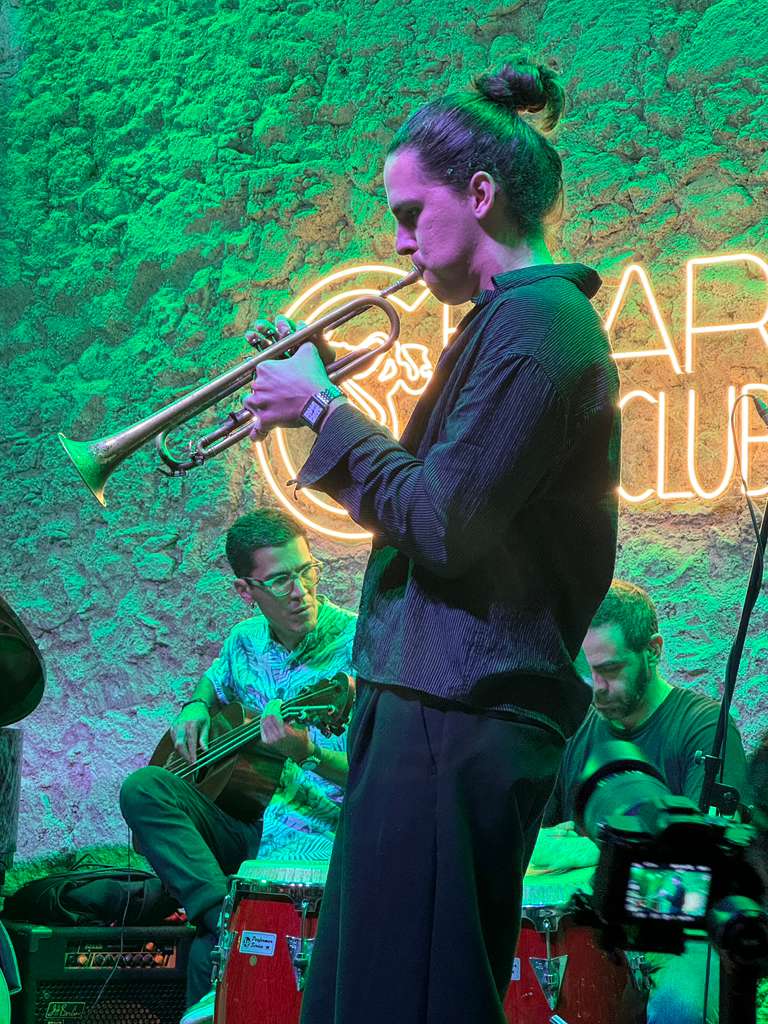
From iconic bars to private musical moments, this is a chance to experience the sounds, stories, and soul behind Buena Vista Social Club in the city where it all began.

Other current Havana venues and private experiences to highlight include:
Restaurants and private venues
La Guarida
César Jazz Club
El Campo de Tiro
Hojarasca
Private paladares with generator support
Rooftop bars and private dining spaces
Chef-led meals in private homes
Cultural and active experiences
Private boxing lessons with Cuban trainers
A Mafia history tour through Havana
Panoramic classic car tours
Live jazz and salsa nights
Artist studio visits
Tobacco and rum experiences
Private walking tours in Old Havana
Community-based cultural visits
Food tours through privately owned restaurants and cafés
These are exactly the kinds of experiences that make Cuba work today: private, flexible, human, and locally connected.
Why local planning matters more than ever
Cuba is currently facing real infrastructure challenges. The U.S. State Department notes that Cuba’s electrical supply is unreliable, with scheduled and unscheduled power cuts affecting Havana and other parts of the country. It also notes that some hotels, hospitals, institutions, and larger businesses use generators, although fuel availability can affect operations.
That does not mean travel should stop. It means travel needs to be organized intelligently.
A good Cuba itinerary today should consider:
Where there is backup power
Which restaurants are genuinely operating that week
Which drivers have fuel and reliable vehicles
Which venues have confirmed music programming
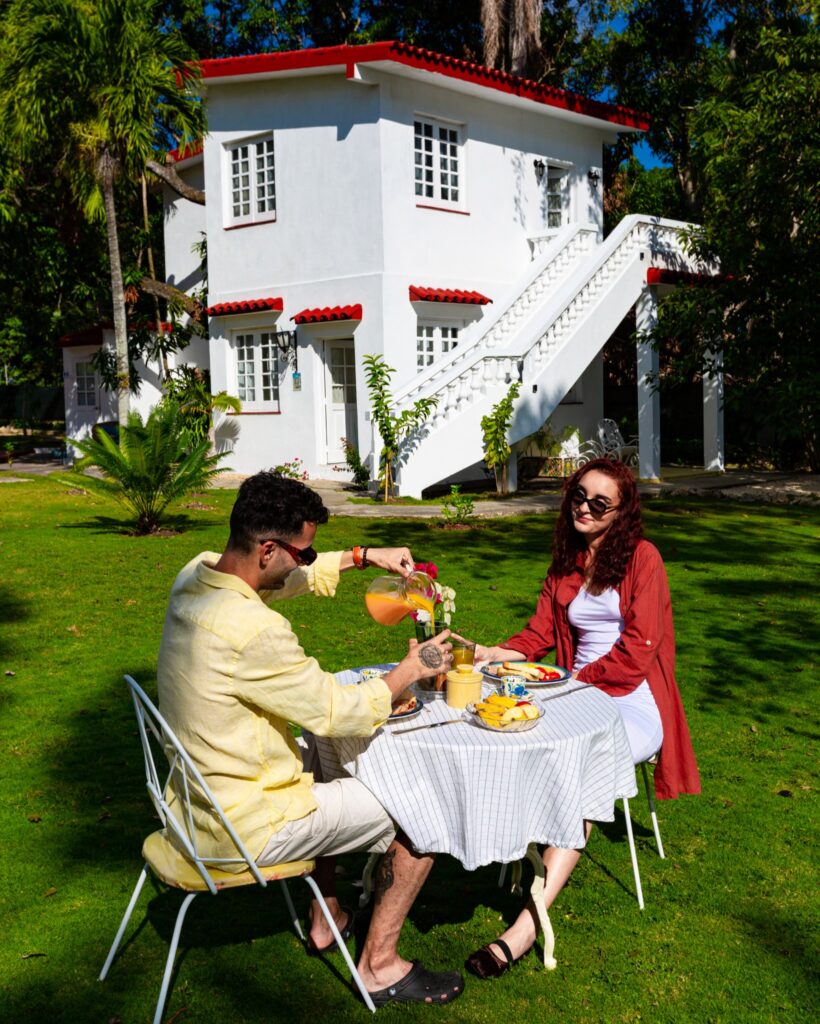
Which accommodations are privately owned and properly vetted
Which activities support Cuban entrepreneurs
How to adjust the day if conditions change
How U.S. travelers can remain legally compliant
The difference between a frustrating trip and an exceptional trip is local knowledge.

Cuba is open for the right kind of traveler
Cuba today rewards travelers who are curious, flexible, and prepared.
It is not the easiest destination in the Caribbean. But it remains one of the richest: culturally, musically, historically, and personally.
The best trips now are not built around mass tourism. They are built around private-sector support, real local access, backup planning, and honest expectations.
With the right team on the ground, visitors can still experience the Cuba people dream about: dinner in atmospheric private restaurants, live music in intimate venues, conversations with artists and entrepreneurs, classic cars along the Malecón, boxing gyms, rum and tobacco stories, hidden rooftops, and the everyday creativity of Havana.
Cuba is still possible.
It just needs to be planned properly.
Create your ideal itinerary
Facebook
Link
Instagram
Tripadvisor